Stay Compliant with Emissions Regulations — We’ll Come to You
Modern diesel aftertreatment systems (DPF, DEF, SCR, DOC) are complex emissions control networks required by federal EPA regulations. When your DPF clogs, DEF system fails, or you’re facing a speed derate warning, you can’t afford downtime. AZ Mobile Diesel Repair brings expert aftertreatment diagnostics and repair directly to your location throughout Phoenix Metro.
Our certified technicians understand EPA 2007/2010 emissions systems inside and out. We perform forced DPF regenerations, replace DEF injectors, diagnose SCR catalyst issues, and restore emissions compliance — all on-site with professional diesel diagnostic tools.
What’s Included in Our Aftertreatment Services
DPF Diagnostics & Regeneration
Soot load testing, forced regenerations, differential pressure diagnostics, and DPF health assessment using factory-level scan tools
DPF Cleaning & Replacement
Professional DPF removal, thermal cleaning, or OEM replacement for filters beyond regeneration capability
DEF Injector Service
DEF injector replacement, nozzle cleaning, flow testing, and dosing system calibration for proper urea injection
SCR System Diagnostics
Selective Catalytic Reduction (SCR) catalyst testing, NOx sensor replacement, and efficiency monitoring
Emissions Compliance Testing
Complete aftertreatment system health checks, emissions compliance verification, and documentation for regulatory audits
DOC & Sensor Replacement
Diesel Oxidation Catalyst service, temperature sensor replacement, and backpressure sensor diagnostics
Common DPF & Aftertreatment Problems We Fix
Follow the instructions for your exact truck, engine and complete warning combination before attempting regeneration. For Cummins on-highway engines, a red STOP ENGINE warning means bring the vehicle to a safe stop as soon as possible, shut off the engine and arrange immediate service. See the Cummins driver lamp guide; do not treat every DPF warning as a request for another regen.
Regeneration removes soot; remaining ash needs cleaning under the engine manufacturer’s maintenance guidance. See the Cummins aftertreatment FAQ for the distinction. Diagnosis determines which service your truck needs.
DPF Warning Light / High Soot Load
High PriorityRecord the exact DPF light and accompanying messages. Warning color alone does not identify the repair; use vehicle-specific guidance and diagnosis before choosing regeneration or cleaning.
Speed Derate or Engine Power Reduced
EmergencyA derate or restart restriction needs vehicle-specific diagnosis. Do not infer a completely blocked DPF or a universal speed limit from the warning alone.
DEF System Malfunction
High Priority'DEF System See Dealer' warnings, DEF quality poor messages, or NOx sensor faults — can trigger derate if not addressed within countdown timer.
Regeneration Not Completing
High PriorityAutomatic DPF regeneration attempts fail repeatedly, causing excessive fuel consumption and soot buildup — indicates deeper aftertreatment system issues.
Excessive Exhaust Backpressure
High PriorityLoss of power, poor fuel economy, and high exhaust temperatures from severely clogged DPF — can damage turbocharger if left unresolved.
DEF Injector Crystallization
Medium PriorityDEF crystals blocking injector nozzle preventing proper urea dosing — causes NOx emission failures and potential speed derate warnings.
SCR Catalyst Efficiency Low
Medium Priority'SCR Efficiency Below Threshold' fault codes indicating failed catalyst, bad DEF quality, or incorrect DEF dosing — requires diagnostics to identify root cause.
Aftertreatment Temperature Sensor Faults
Medium PriorityFaulty DPF inlet/outlet temperature sensors preventing regeneration cycles or triggering false warning lights — common failure point on high-mileage trucks.
Our Aftertreatment Service Process
Advanced Diagnostics
We connect to your truck's ECM using professional diesel diagnostic software to read fault codes, check DPF soot load, monitor NOx sensor data, verify DEF quality, and assess SCR catalyst efficiency.
Root Cause Analysis
We don't just clear codes — we identify WHY the aftertreatment system failed. This includes checking for failed injectors preventing regeneration, turbocharger issues causing incomplete combustion, or DEF quality problems.
Repair or Regeneration
Manufacturer diagnostic checks determine whether a service regeneration is appropriate. Depending on the findings, the next step may instead be a fault repair, professional DPF cleaning or replacement. We explain the proposed work before proceeding.
Test & Verify Compliance
After repairs, we verify the aftertreatment system is functioning correctly, clear fault codes, reset derate timers, and confirm emissions compliance to get you back on the road legally.
Understanding EPA Diesel Emissions Regulations
All diesel trucks manufactured after 2007 are equipped with emissions aftertreatment systems required by EPA Clean Air Act regulations. These systems include:
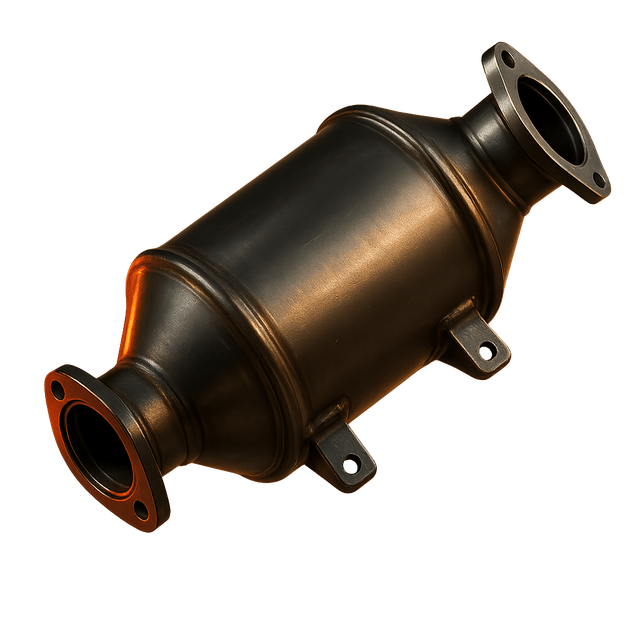
DPF (Diesel Particulate Filter)
Captures soot particles (PM 2.5) from exhaust to reduce particulate emissions by 90%+
DOC (Diesel Oxidation Catalyst)
Oxidizes hydrocarbons and carbon monoxide in exhaust stream before DPF
SCR (Selective Catalytic Reduction)
Uses DEF (urea) to convert nitrogen oxides (NOx) into harmless nitrogen and water vapor
DEF (Diesel Exhaust Fluid)
32.5% urea solution injected into exhaust to enable SCR NOx reduction
Important: Federal law prohibits tampering with or removing emissions control devices. We only perform EPA-compliant repairs that maintain factory emissions standards.
Why Choose AZ Mobile Diesel Repair for Aftertreatment Service
1
Factory-Level Diagnostics
We use professional diesel diagnostic tools (not generic OBD scanners) to access manufacturer-specific data for DPF soot load, regeneration status, DEF quality, and SCR efficiency.
2
Emissions Compliance Experts
Our certified technicians understand EPA regulations and perform only compliant repairs. We’ll restore your truck’s emissions system to factory specifications — legally.
3
Prevent Costly Derates
Contact dispatch with the exact warning messages and your location. Derate limits and restart restrictions vary by vehicle and fault; follow the manufacturer’s instructions while arranging diagnosis.